CRISP Framework
Clear thinking for product builders
A five-stage product discovery framework built for the reality that most teams avoid — where stakeholders disagree, alignment is fake, and the uncomfortable questions never get asked.
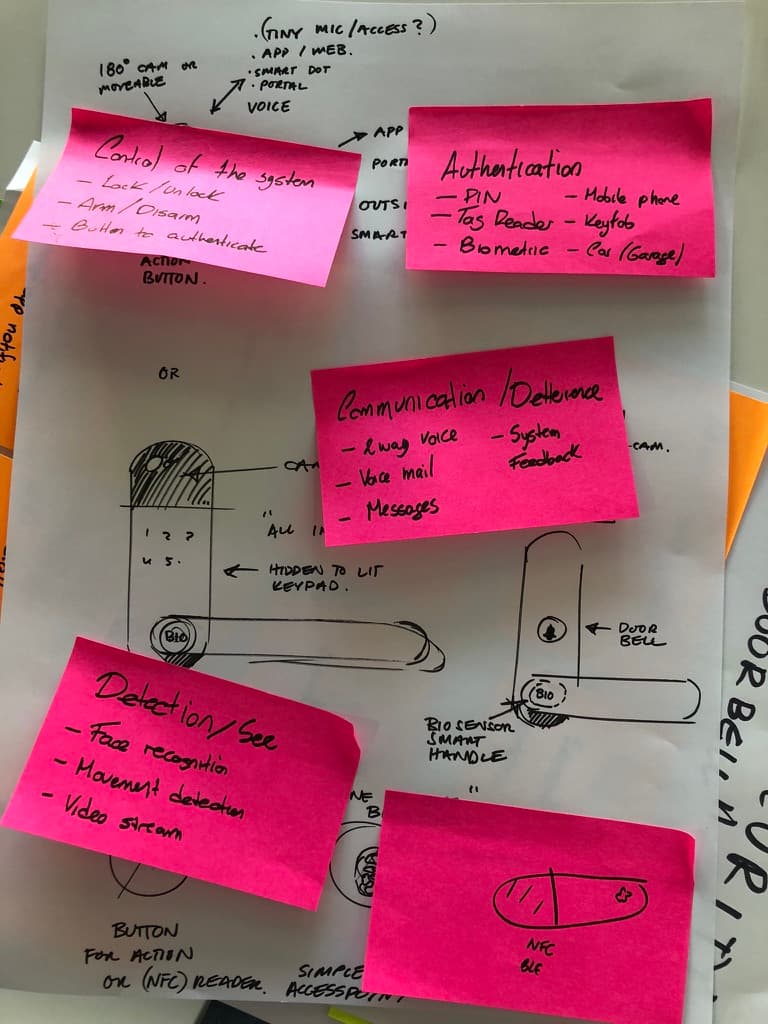
The origin story
I didn’t set out to build a framework.
I kept getting handed the difficult projects. The ones where half the room said it would never work, the other half wasn’t sure what we were building, and somehow I still had to ship something.
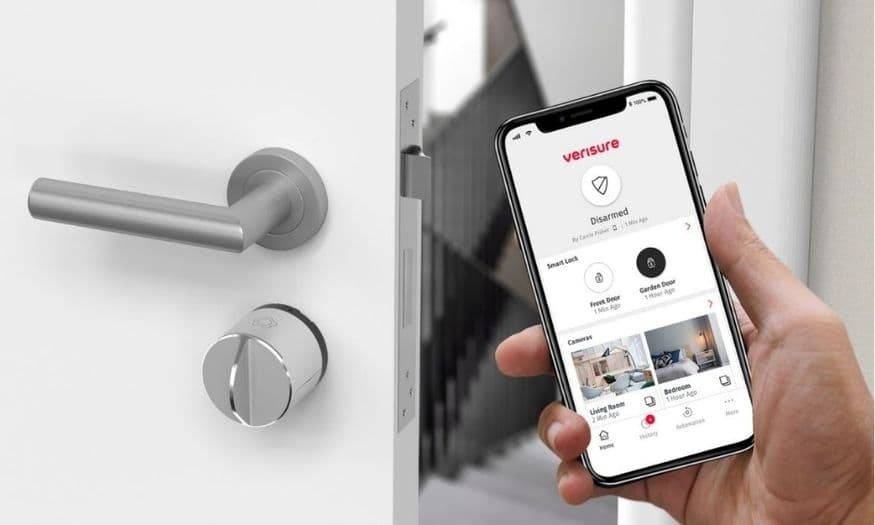
LockGuardis a good example. The Spanish market told me flatly they would never sell it. Leadership thought it was outside our core business. I had to convince everyone — stakeholders, cross-functional teams, country leads — before a single line of code was written. Today it’s the core of Verisure’s value proposition.
That kept happening. Different projects, different industries, same dynamic. So I started analyzing it — what actually got the right people on board, what derailed things, where the real blockers lived. It was never the technology. It was always the clarity, or the lack of it.
CRISP came out of all these experiences. Not a theory. A pattern I’d been living for years, written down.
Clarify
Figure out what problem you're actually solving.
Most product failures start here — and most teams skip this stage because it's uncomfortable. Everyone has a different interpretation of the problem, but nobody says it out loud.
What problem are we solving? For whom? Why now? What does success actually look like?
You can't move forward until everyone agrees. Not meeting-room agreement where people nod to end the conversation. Real agreement.
Research
Understand reality before you form opinions.
What do users actually do? What does the market look like? What are the real constraints?
This stage is about confronting reality, not confirming what you already think. The goal is truth, not validation.
Innovate
Generate options before locking into one solution.
What are different ways to solve this? What if you approached it completely differently? What's the simplest version you could test?
Innovation means letting the best idea win — not the first idea, not the loudest voice in the room.
Strategize
Build a plan you can actually execute.
Most roadmaps look great in slides but ignore organizational reality — budget constraints, technical debt, team capacity, political dynamics.
This is where you get realistic. What can you actually ship? What's the sequence? What could go wrong?
Pursue
Ship what you meant to ship.
Execution is where strategy goes to die. Scope creeps. Requirements change. The original vision gets compromised to death.
Pursue is about protecting what you set out to build — not a watered-down version of it.
In practice
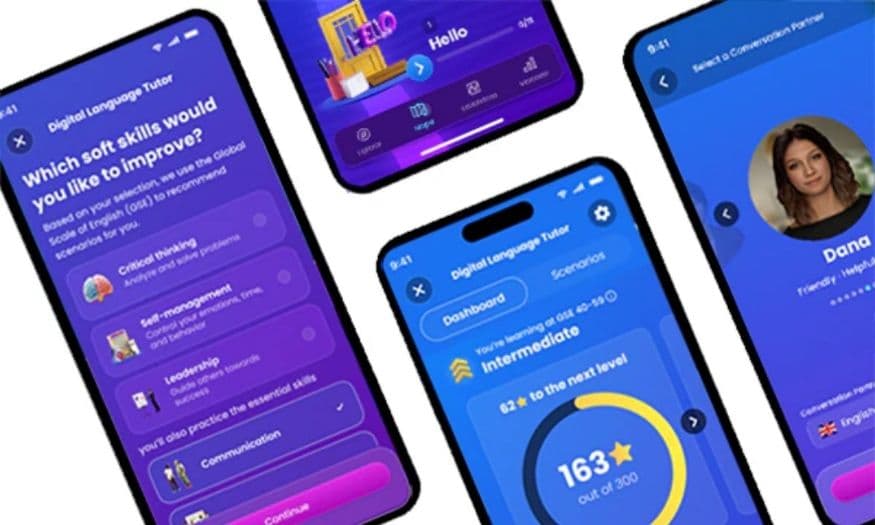
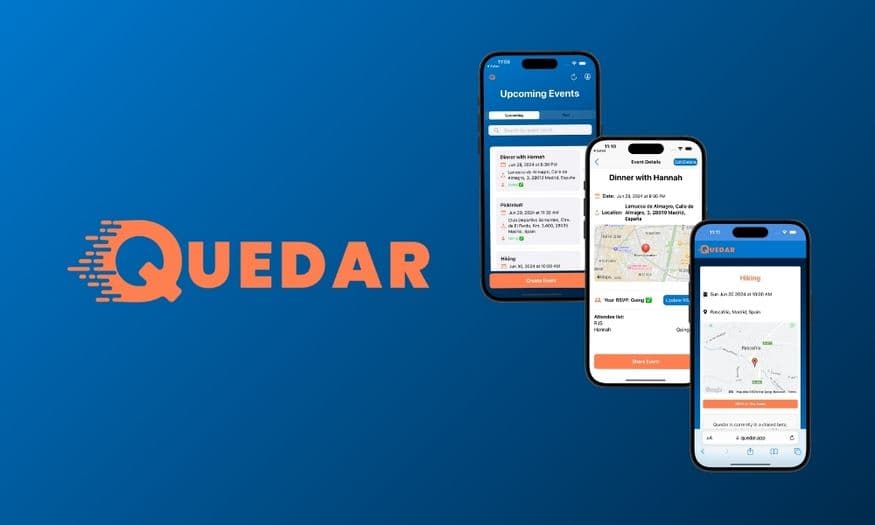
Tested in the real world
Let’s talk
If something here resonated, if you're working through a product problem, or if you just want to think out loud — reach out!